
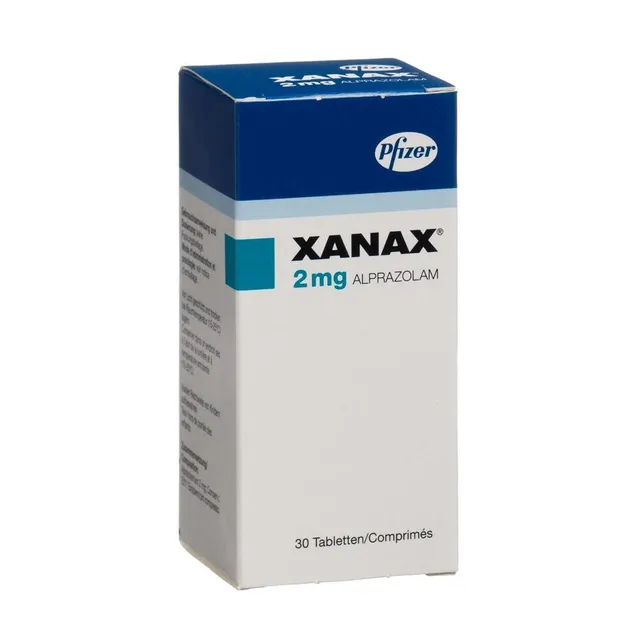
Xanax is a prescription medicine containing alprazolam, a benzodiazepine that affects activity in the central nervous system. It may be prescribed for certain anxiety and panic disorders, particularly when symptoms are severe enough to require medical treatment. Because it can produce sedation and physical dependence, safe use requires careful attention to dosage, interactions, treatment duration, and changes in symptoms.
People often search for information about Xanax because they want to understand how it works, what side effects can occur, or what precautions should be considered. Reliable information is especially important because medicines that affect the brain can create significant risks when used incorrectly or combined with other substances.
Understanding the Purpose of Xanax
Alprazolam works by increasing the effects of GABA, an inhibitory neurotransmitter in the brain. This action reduces excessive nervous system activity and can create a calming effect.
Doctors may prescribe it for certain anxiety disorders and panic disorder. Symptoms of these conditions can include excessive fear, persistent worry, restlessness, tension, rapid heartbeat, trembling, sweating, and sudden episodes of intense panic.
The medicine is not appropriate for every type of anxiety. Occasional nervousness caused by normal life events is different from a diagnosed anxiety disorder. A healthcare professional can evaluate symptoms and determine whether medication is appropriate.
Because alprazolam can produce noticeable effects relatively quickly, some patients may find it helpful for acute symptoms. However, rapid symptom relief does not mean that the underlying causes of anxiety have been addressed. Long-term treatment decisions should therefore consider psychological therapies and other appropriate approaches.
Common Side Effects and Warning Signs
Xanax can affect alertness, coordination, and concentration. Drowsiness is a commonly recognized effect, while dizziness and fatigue can also occur. Some people may notice slower reactions or difficulty concentrating.
These effects can interfere with driving and other activities requiring precision. Someone who has recently started treatment or experienced a dosage change should be particularly cautious until they understand how the medicine affects them.
Memory and coordination can also be affected. Older adults may have a greater risk of falls because of sedation and impaired balance.
Not every reaction is mild. Severe sleepiness, confusion, difficulty breathing, loss of consciousness, or inability to wake normally can require emergency medical attention, particularly when alprazolam has been combined with alcohol, opioids, or other sedating substances.
Unusual agitation or behavioral changes should also be reported to a healthcare professional. Although uncommon, some people can experience reactions that are different from the expected calming effect.
Dependence Tolerance and Safe Discontinuation
One of the most important safety considerations with benzodiazepines is physical dependence. Regular use can cause the body to adapt to the presence of alprazolam. If treatment is suddenly stopped after dependence has developed, withdrawal symptoms can occur.
Withdrawal may include anxiety, restlessness, insomnia, irritability, sweating, tremors, and other physical or psychological symptoms. Severe withdrawal can be medically dangerous and may include seizures.
For this reason, anyone who has been taking Xanax regularly should consult their prescriber before stopping. A healthcare professional may recommend gradually reducing the dose according to an individualized plan.
Tolerance can also develop, meaning that the same dose may become less effective over time. Increasing the dose without medical supervision can increase the risk of adverse effects and dependence.
These concerns are among the reasons benzodiazepine treatment should be reviewed regularly. Patients should openly discuss whether the medicine remains helpful and whether unwanted effects are becoming problematic.
Interactions That Require Special Attention
Medication interactions can significantly change the safety profile of alprazolam. Alcohol is particularly important because it can increase sedation and impair coordination. Combining benzodiazepines with opioids can be especially dangerous because both can suppress the central nervous system and breathing.
Other medicines that cause drowsiness may also intensify alprazolam's effects. Certain medicines can alter how the body metabolizes alprazolam, potentially increasing or prolonging its effects.
Patients should therefore provide their healthcare professional with a complete list of prescription medicines, non-prescription medicines, supplements, and other substances they use.
It is not advisable to assume that an over-the-counter medicine or herbal product is harmless simply because it does not require a prescription. Pharmacists can also provide useful information about potential interactions.
If someone develops severe sedation, slow or difficult breathing, fainting, or an inability to remain conscious after combining substances, urgent medical assistance is necessary.
Special Health Situations and Precautions
Certain health conditions may require additional caution when alprazolam is considered. People with breathing disorders, liver problems, a history of substance-use problems, or other significant medical conditions should discuss these issues with their healthcare professional.
Pregnancy and breastfeeding also require specific medical advice. Medicines that affect the central nervous system can have effects on a developing fetus or newborn, so treatment decisions should be individualized.
Older adults may require particular attention because they can be more sensitive to sedative medicines. Increased drowsiness and impaired coordination can contribute to falls and injuries.
Patients should also tell their healthcare professional about previous reactions to benzodiazepines or other medicines. A detailed medical history helps the clinician assess whether the potential benefits outweigh the risks.
Responsible Anxiety Care Beyond Medication
Medication can be useful, but anxiety management may involve several different strategies. Psychological treatment can help address the patterns of thinking and behavior associated with anxiety.
Cognitive behavioral therapy is a widely used approach that can teach practical methods for identifying unhelpful thoughts and developing healthier responses. Relaxation exercises, structured daily routines, physical activity, adequate sleep, and social support may also contribute to overall mental wellbeing.
Reducing excessive caffeine and avoiding alcohol or recreational substances can be useful for people whose anxiety symptoms are affected by these substances. However, lifestyle strategies should complement rather than replace professional treatment when someone has a significant anxiety disorder.
If anxiety continues for weeks or months, interferes with work or education, disrupts sleep, or causes repeated panic episodes, professional evaluation is appropriate.
Final Guide to Safer Use
Xanax can be an appropriate prescription treatment for selected anxiety and panic disorders when used under professional supervision. At the same time, its sedative properties and potential for tolerance and dependence mean that it should not be treated as an ordinary over-the-counter remedy.
Patients should follow their prescription carefully, avoid sharing medication, and discuss all other medicines and substances with their healthcare professional. They should also avoid making independent changes to their dose or stopping regular treatment abruptly.
Understanding possible side effects is equally important. Mild drowsiness or dizziness may occur, but severe sedation, breathing difficulties, loss of consciousness, or serious confusion require urgent attention.
The safest approach is individualized medical care. Anyone considering Xanax, experiencing unexpected effects, or thinking about stopping regular use should speak with a qualified healthcare professional. Accurate information, appropriate supervision, and regular treatment review can help reduce unnecessary risks while supporting effective management of anxiety and panic symptoms.